These Foods Are the Best for Your Hormones: A Guide to Hormonal Harmony
Discover the top foods that naturally support hormone balance, reduce inflammation, and enhance overall well-being for both men and women.
HEALTHBLOG-LIST
Narcisse Bosso
11/24/20255 min read

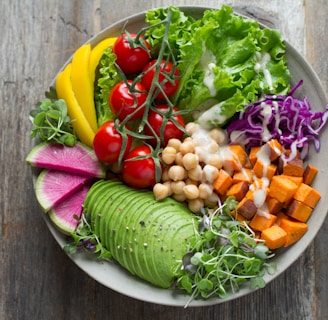
Hormones are powerful chemical messengers that regulate virtually every function in your body, from metabolism and mood to sleep and reproduction. When these delicate messengers are out of sync, it can lead to a wide range of issues, including fatigue, weight fluctuations, mood swings, skin problems, and irregular cycles. While complex, the good news is that your diet plays a profound role in influencing hormonal balance. Incorporating specific nutrient-dense foods can help optimize hormone production, metabolism, and detoxification, paving the way for greater energy, clearer skin, stable moods, and improved overall health. This article highlights the best foods to support your hormonal health and explains why they are so beneficial.
Table of Contents
The Foundation: Why Food Matters for Hormones
Key Nutrient Categories for Hormonal Health
Top Foods for Hormonal Balance
Healthy Fats: The Building Blocks
Fiber-Rich Foods: For Detox & Regulation
Protein: Essential for Hormone Production
Cruciferous Vegetables: Hormone Detoxifiers
Antioxidant-Rich Berries: Inflammation Fighters
Seeds & Nuts: Micronutrient Powerhouses
Fermented Foods: Gut-Hormone Connection
Foods to Limit or Avoid for Hormonal Health
Lifestyle Factors Supporting Hormonal Harmony
FAQ: Hormones and Diet
Conclusion
1. The Foundation: Why Food Matters for Hormones
Hormones are made from various building blocks, many of which come directly from our diet. Nutritional deficiencies, excessive inflammation, and poor gut health can disrupt the entire endocrine system. By providing the right nutrients, we can support:
Hormone Synthesis: Providing raw materials for hormones like estrogen, testosterone, and thyroid hormones.
Hormone Metabolism & Detoxification: Helping the liver process and eliminate excess or spent hormones.
Insulin Sensitivity: Preventing spikes that disrupt other hormones.
Gut Microbiome Health: A healthy gut influences hormone absorption and elimination.
Reduced Inflammation: Chronic inflammation can throw hormones out of balance.
2. Key Nutrient Categories for Hormonal Health
To support your hormones, focus on:
Healthy Fats: Cholesterol is the precursor for all steroid hormones (estrogen, testosterone, cortisol).
Quality Protein: Provides amino acids for hormone synthesis and neurotransmitter production.
Fiber: Aids in hormone elimination and supports gut health.
B Vitamins: Crucial for numerous metabolic processes and hormone production.
Magnesium, Zinc, Selenium: Essential trace minerals involved in hormone function.
Antioxidants: Combat oxidative stress that can damage endocrine glands.
3. Top Foods for Hormonal Balance
Healthy Fats: The Building Blocks
Avocado: Rich in healthy monounsaturated fats, fiber, and beta-sitosterol (may help regulate cortisol and estrogen).
Olive Oil (Extra Virgin): Contains anti-inflammatory monounsaturated fats and antioxidants.
Fatty Fish (Salmon, Mackerel, Sardines): Excellent source of Omega-3 fatty acids, crucial for reducing inflammation and supporting cell membrane health, which is vital for hormone receptor function.
Nuts & Seeds (Flax, Chia, Walnuts): Provide Omega-3s, fiber, and lignans (especially flax seeds) which can help modulate estrogen levels.
Why they're great: Provide the necessary cholesterol for hormone synthesis and reduce inflammation.
Fiber-Rich Foods: For Detox & Regulation
Leafy Greens (Spinach, Kale, Swiss Chard): Packed with fiber, magnesium, and B vitamins.
Berries (Blueberries, Raspberries): High in fiber and antioxidants.
Legumes (Lentils, Chickpeas): Excellent source of soluble and insoluble fiber, helping to excrete excess hormones.
Why they're great: Fiber binds to excess hormones (especially estrogen) in the digestive tract, preventing reabsorption and ensuring their elimination. It also supports a healthy gut microbiome.
Protein: Essential for Hormone Production
Lean Meats (Chicken, Turkey): Provides amino acids for hormone and enzyme production.
Eggs: A complete protein source, rich in choline (important for liver health and detoxification) and B vitamins.
Quinoa: A complete plant-based protein, also offering fiber and minerals.
Lentils & Beans: Plant-based protein and fiber.
Why they're great: Amino acids are vital for synthesizing peptide hormones and neurotransmitters, which in turn influence other hormones. Protein also stabilizes blood sugar, preventing insulin spikes.
Cruciferous Vegetables: Hormone Detoxifiers
Broccoli, Cauliflower, Brussels Sprouts, Cabbage: Contain indole-3-carbinol (I3C) and diindolylmethane (DIM), compounds that help the liver metabolize and excrete estrogen safely.
Why they're great: Support the liver's phase I and phase II detoxification pathways, ensuring proper elimination of hormones.
Antioxidant-Rich Berries: Inflammation Fighters
Blueberries, Raspberries, Strawberries: Bursting with antioxidants, vitamins, and fiber.
Why they're great: Combat oxidative stress and inflammation, which can otherwise disrupt delicate hormonal balance.
Seeds & Nuts: Micronutrient Powerhouses
Flax Seeds: Rich in lignans, which can act as phytoestrogens, helping to balance estrogen levels.
Chia Seeds: High in Omega-3s and fiber.
Almonds, Walnuts: Provide healthy fats, magnesium, and other minerals.
Why they're great: Offer specific micronutrients (zinc, selenium) and healthy fats crucial for thyroid and sex hormone function.
Fermented Foods: Gut-Hormone Connection
Sauerkraut, Kimchi, Kefir, Yogurt (plain, unsweetened): Contain beneficial bacteria (probiotics).
Why they're great: A healthy gut microbiome is essential for estrogen metabolism (the "estrobolome") and overall hormone regulation.
4. Foods to Limit or Avoid for Hormonal Health
Processed Foods & Refined Sugars: Lead to insulin resistance and inflammation.
Excessive Caffeine & Alcohol: Can disrupt cortisol and estrogen metabolism.
Unhealthy Fats (Trans fats, excessive saturated fats): Promote inflammation.
Non-Organic Produce: May contain pesticides that act as endocrine disruptors.
5. Lifestyle Factors Supporting Hormonal Harmony
Diet is foundational, but integrate these for best results:
Stress Management: Chronic stress elevates cortisol, impacting all other hormones. Practice stress management techniques.
Quality Sleep: Essential for hormone production and regulation, especially melatonin and growth hormone. Prioritize sleep health.
Regular Exercise: Improves insulin sensitivity, reduces inflammation, and boosts mood-regulating hormones.
Environmental Toxin Reduction: Limit exposure to endocrine-disrupting chemicals (EDCs) found in plastics, cosmetics, and household products.
6. FAQ: Hormones and Diet
1. How long does it take for diet to impact hormones? Changes can be noticed within weeks to a few months, depending on the individual and the severity of hormonal imbalance. Consistency is key.
2. Is a "hormone diet" a real thing? While there's no single "hormone diet," focusing on nutrient-dense, whole foods as outlined here is the foundation of any diet aiming for hormonal health. Avoid restrictive fad diets.
3. Do men and women need different hormone-balancing foods? The foundational principles of healthy fats, fiber, and protein apply to both. However, women may pay particular attention to foods supporting estrogen metabolism (e.g., cruciferous veggies), while men may focus on zinc-rich foods for testosterone.
4. Can these foods help with specific conditions like PCOS or menopause? Yes, dietary changes are often a primary recommendation for managing symptoms of PCOS, perimenopause, and menopause, as they address underlying hormonal dysregulation and inflammation.
7. Conclusion
Your plate is a powerful tool for nurturing your endocrine system. By consciously choosing foods rich in healthy fats, fiber, quality protein, and specific micronutrients, you are actively supporting your body's ability to produce, metabolize, and eliminate hormones effectively. Embracing a diet focused on whole, unprocessed foods, combined with a healthy lifestyle, is your most sustainable path to achieving and maintaining hormonal harmony, leading to improved energy, mood, and overall well-being.
Authentic Scientific Sources:
National Institutes of Health (NIH) - Office of Dietary Supplements: Provides information on individual nutrients and their roles in health.
Journal of Clinical Endocrinology & Metabolism: Publishes research on hormones, endocrine disorders, and nutrition.
American Journal of Clinical Nutrition: Research on dietary components and their impact on various physiological systems, including hormonal.
Endocrine Reviews: A leading journal for comprehensive reviews of endocrine science.
Environmental Health Perspectives: Studies on endocrine-disrupting chemicals and their dietary sources.
Written by Narcisse Bosso, certified naturopath. His lifelong passion for health became a profound calling after a loved one passed away from a natural illness that could have been prevented with simple lifestyle changes and habits.